Performance tuning is the process of recalibrating your engine's computer so the engine makes more power, responds faster, and still runs reliably. That's the whole idea in one sentence. What it looks like in practice varies wildly, because “tuning” gets thrown around to mean very different things depending on who's saying it. Done right, it's one of the highest-value upgrades you can make. Done wrong, it's a great way to hurt an engine. Here's the honest version of when, why, and how.
What performance tuning actually is
Every modern car is managed by an Engine Control Unit (ECU). The ECU decides how much fuel to inject, when to fire the spark, how much boost to run, how the throttle responds, and dozens of other parameters, thousands of times per second. From the factory, that calibration is a compromise built around low-octane fuel, emissions targets, worldwide climates, and a long warranty. A custom tune rewrites those tables for your car, your fuel, your mods, and your goals.
That's the key distinction: a real tune is calibrated to your specific vehicle, not flashed from a one-size-fits-all file. That's where the gains (and the safety margin) come from.
Stage 1, Stage 2, Stage 3: what the stages mean
“Stages” are a shorthand for how far you've gone with supporting hardware. They aren't universal, but the general idea holds across most platforms:
- Stage 1: Tuning and a high-flow intake. The ECU calibration plus better airflow. Modest, reliable gains on an otherwise stock car.
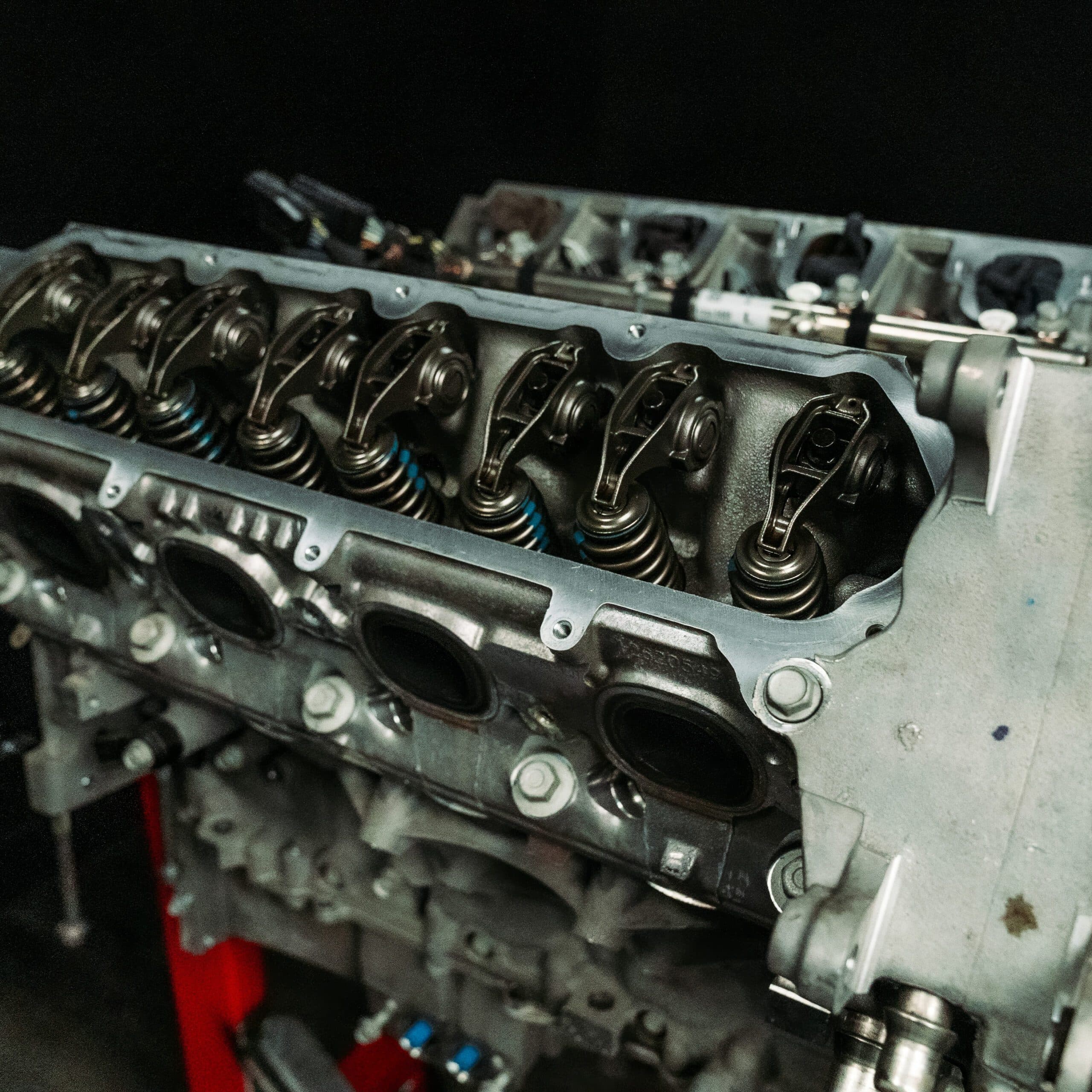
- Stage 2: Camshaft and headers (plus tuning). Now you're changing how the engine breathes, which unlocks a bigger, broader power curve and a more aggressive sound.
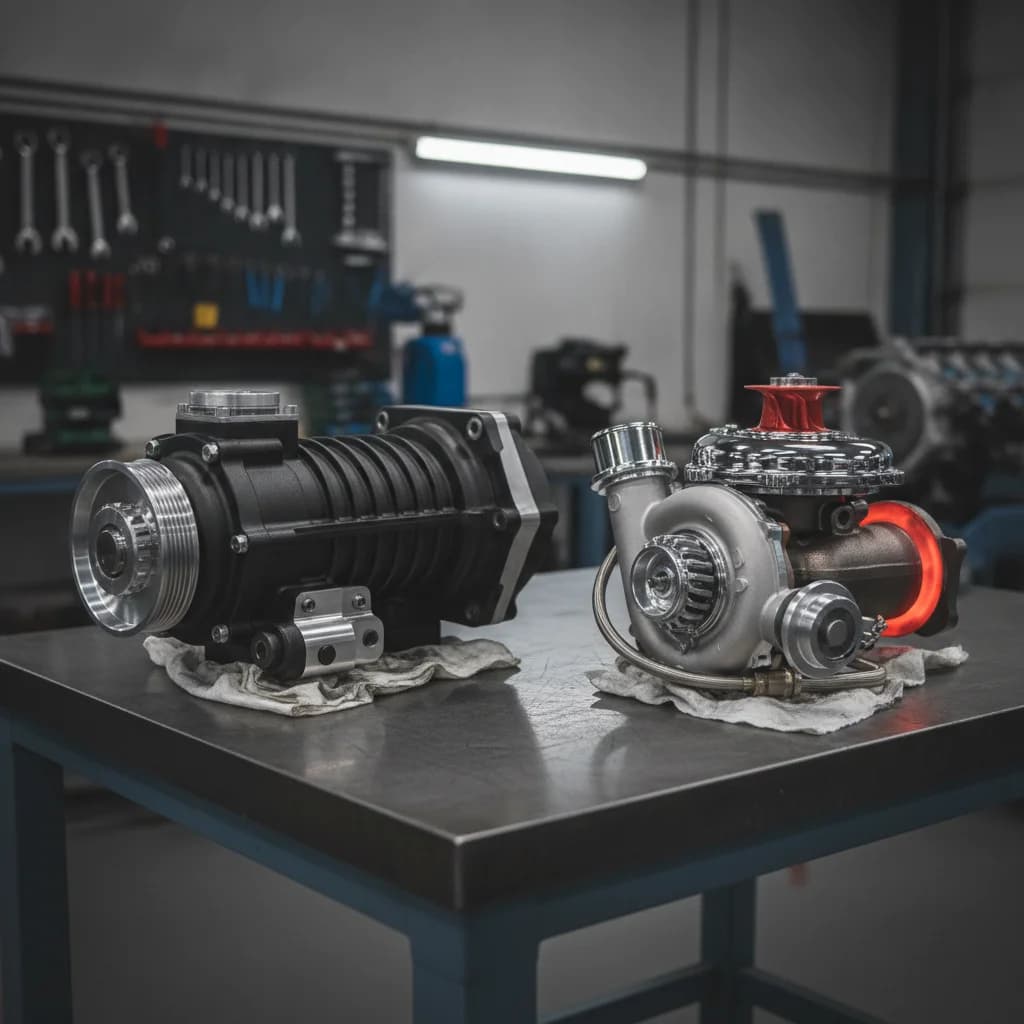
- Stage 3: Forced induction. A supercharger or turbo, supporting fuel system, and a tune built around the new airflow. This is where the big numbers live.
Each stage is only as good as the tune behind it. Bolt-ons without a proper calibration usually leave power on the table and can run the engine lean or knock-prone.
Why the dyno matters
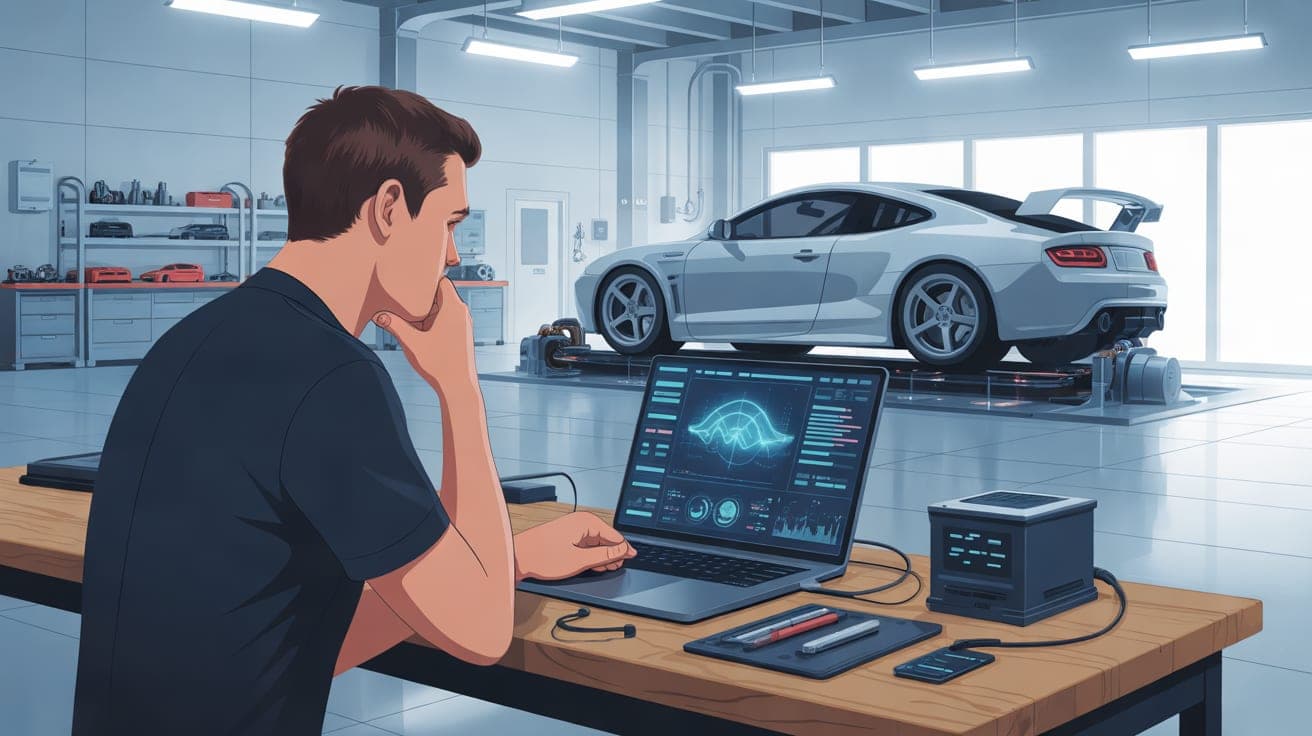
This is the part that separates a guess from a tune. A dynamometer measures exactly how much power and torque your car makes across the entire RPM range, under load, in real time. Instead of “it feels faster,” you get a data sheet, and more importantly, the tuner can watch air-fuel ratio, knock, and boost while dialing in the calibration safely.
Data-driven tuning is the difference between a number that looks good and a car that lives a long, healthy life. If a shop can't show you the pulls, ask why.
At APA Custom Shop we tune on an in-house Dynojet and calibrate with HP Tuners, so every build leaves with real, repeatable numbers, not a screenshot from someone else's car.
When performance tuning is worth it
Tuning is worth it when you want more out of the car you already like driving, whether that's a sharper daily, a weekend canyon car, or a track build. It's especially worth it after you add bolt-ons, because that's when the factory calibration is furthest from optimal. It's less worth it if you expect huge gains from a tune alone on a stock naturally-aspirated engine; there's only so much power hiding in the calibration until you add airflow.
Is a tune safe and reliable?
A good tune should make your car more reliable to drive, not less: smoother throttle, better part-throttle behavior, and a calibration that protects the engine when conditions change. The risk comes from aggressive, generic tunes run on the wrong fuel with no monitoring. The safeguard is a tuner who calibrates conservatively for your setup, verifies it on the dyno, and hands you the data.
If you're thinking about it, the best first step is a conversation about your car and your goals. That's free, and it'll tell you exactly what's realistic for your platform.